Market dispatch·United States
Austria and Two Vienna Museums Challenge US Holocaust Art Law in Court
Austria, the Albertina and the Leopold Museum Foundation are challenging the constitutionality of 2025 amendments to the US HEAR Act, in a case tied to the Timothy Reif lawsuit over Egon Schiele works from the Fritz Grunbaum collection.
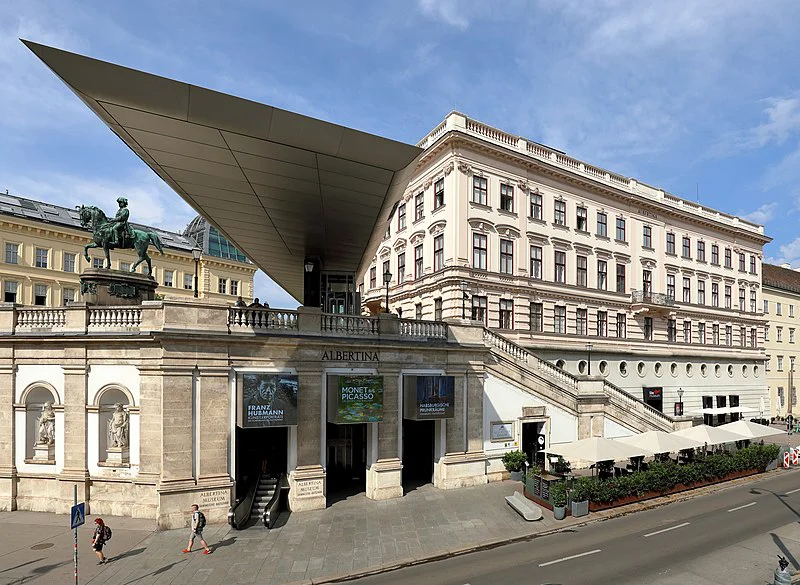
Austria and two of Vienna's leading museums have gone to court in the United States to challenge the constitutionality of recent amendments to the Holocaust Expropriated Art Recovery Act, known as the HEAR Act, in a case that could eventually reach the US Supreme Court. Austria, the Albertina and the Leopold Museum Foundation argue that the 2025 amendments, which remove the laches defence and extend the Act indefinitely, exceed Congress's authority.
The challenge also argues that the amendments infringe the independence of the judiciary under Article III of the US Constitution and violate the Tenth Amendment, which reserves powers to the states. The case forms part of the long-running lawsuit brought by Timothy Reif over works by Egon Schiele from the collection of Fritz Grunbaum, the Austrian cabaret performer who died in the Dachau concentration camp.
The dispute goes to the heart of how Holocaust-era art claims are handled in American courts. The HEAR Act, passed in 2016, was designed to help claimants by giving them more time to bring cases. The 2025 amendments strengthened that position further, but the Austrian challengers say Congress has gone too far by stripping away defences that museums and collectors have traditionally relied on.
If the challenge succeeds, it could reshape the legal landscape for restitution claims in the United States, affecting cases well beyond the Schiele works at issue. If it fails, museums holding works with Holocaust-era gaps in provenance will face an open-ended exposure to claims. Either way, the case is being watched closely on both sides of the Atlantic.