Exhibition preview·Global
Taiwan's Asian Art Biennial reveals artist roster for 10th edition 'Co-Weaving'
The National Taiwan Museum of Fine Arts has released the full list of participating artists for the 10th Asian Art Biennial, running 7 November to 28 February. Curated by Lu Pei-Yi under the title 'Mrahul Tminun · Co-Weaving', the exhibition takes weaving as a curatorial method for examining Asia's interconnected colonial histories.
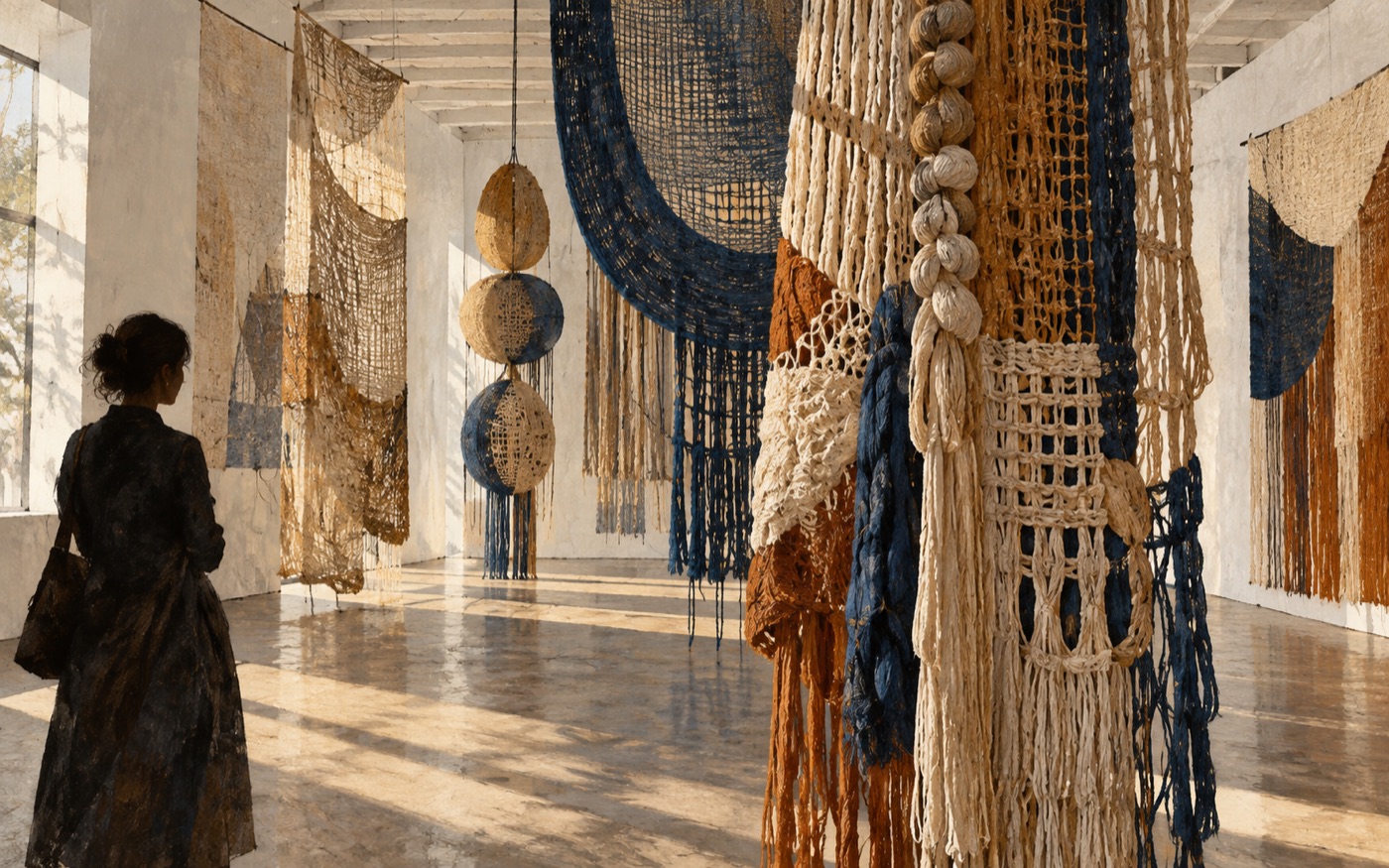
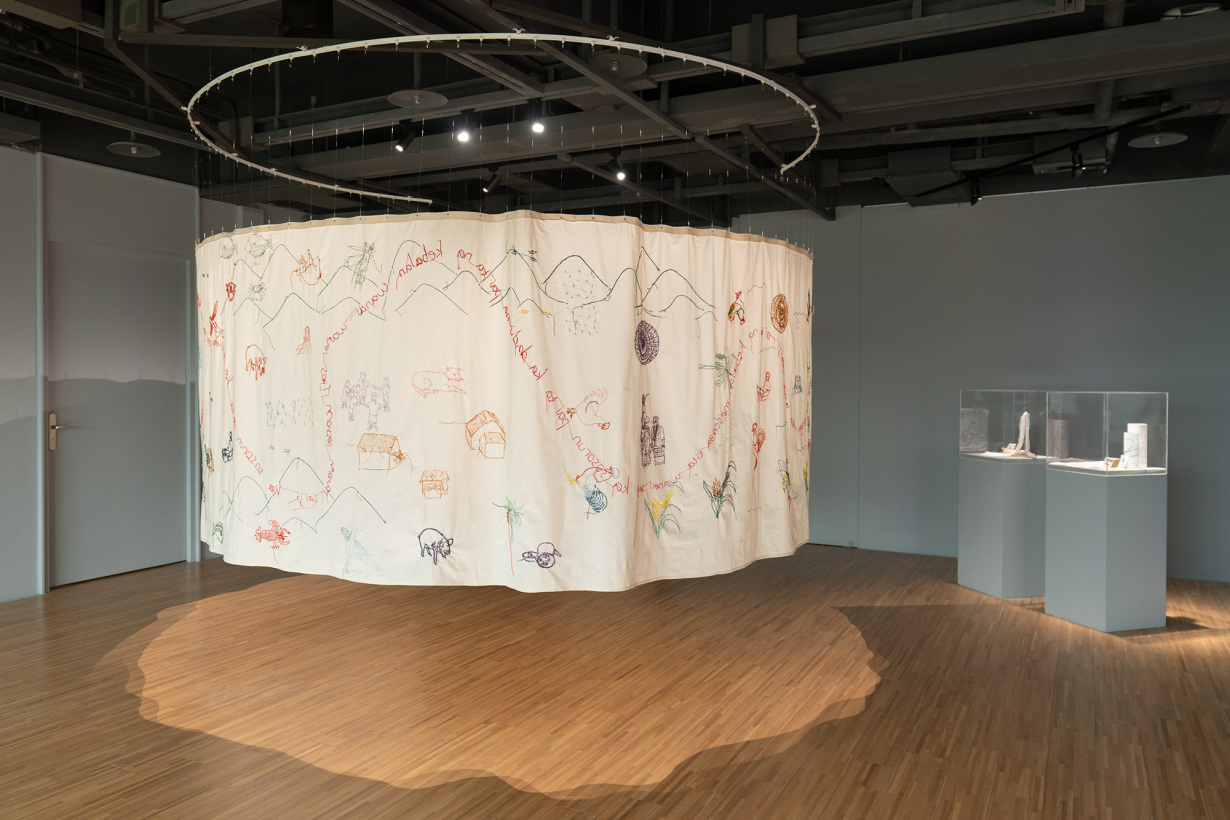
The Asian Art Biennial has published the complete roster of participating artists for its tenth edition, set to open at the National Taiwan Museum of Fine Arts in Taichung from 7 November through 28 February. The exhibition, curated by Lu Pei-Yi, carries the title 'Mrahul Tminun · Co-Weaving', a phrase that pairs an Indigenous-language term with the Chinese and English words for weaving together. Lu's curatorial framework treats weaving as more than a craft reference. It serves as a methodology for presenting Asia as a field of relationships, where threads of exchange, migration, and entangled colonial pasts are pulled into contact. Rather than surveying the continent as a set of discrete national scenes, the biennial is conceived as a fabric of connections. The artist list spans some 29 individuals and collectives across the region. Among those named are Irwan Ahmett and Tita Salina, Mounira Al Solh, Chang En-Man, Sheba Chhachhi and Janet Price, Cian Dayrit, Gudskul, Hylozoic/Desires, Kuo Yu-Ping, Lee Kai Chung and Shen Jun, Meita Meilita, Pallavi Paul, Citra Sasmita, Yee I-Lann, and the collectives Culture Ferment Studio, DAVRA Collective, HomoPleasure Collective, and Womanifesto, alongside the Open Contemporary Art Center (OCAC) and others. Founded as a recurring platform for contemporary practice across Asia, the biennial has in recent editions experimented with multi-curator teams and thematic models. This edition continues that trajectory with a single-curator structure focused on interconnection. With the opening weeks away, attention now turns to how the participating artists will translate the weaving metaphor into installations across the museum's galleries.