Museum report·Kumasi
Looted Asante Gold Stays in Ghana Until 2030 as British Museum and V&A Extend Loans
The British Museum and the V&A have extended their loans of 32 Asante gold regalia objects to Ghana's Manhyia Palace Museum until 2030. The pieces, mostly looted in the 19th century, have been on show in Kumasi since 2024 under renewable three-year loans.
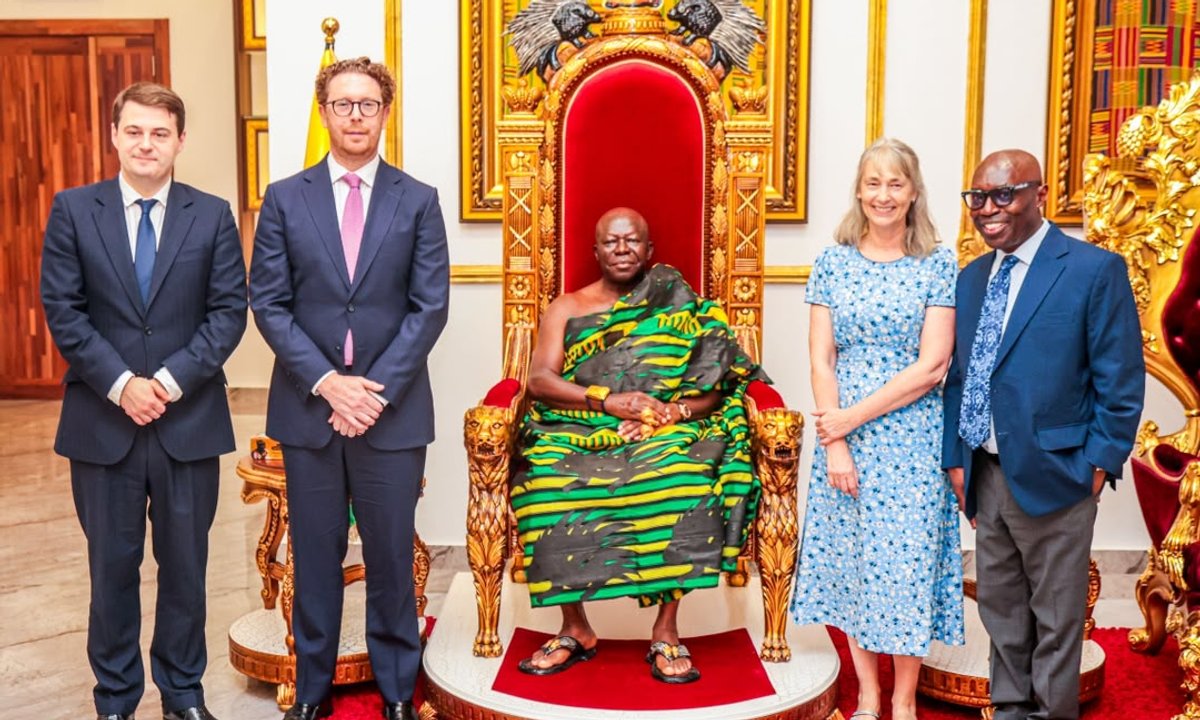
Thirty-two pieces of Asante royal gold will remain on display in Ghana until 2030, after the British Museum and the Victoria and Albert Museum agreed to extend their loans to the Manhyia Palace Museum in Kumasi. The British Museum has lent fifteen objects and the V&A seventeen, almost all of them taken during British military campaigns in the nineteenth century.
The two museums signed the original loan agreement in 2024 with Otumfuo Osei Tutu II, the sixteenth Asantehene, and the regalia went on show in the palace museum's Homecoming exhibition. For many Ghanaians it was the first chance to see the objects in their own country in about a hundred and fifty years. The current term ends in April 2027, and the renewal adds a further three years. The V&A's share will be renewed under its renewable cultural partnership programme.
The extension was announced after British Museum director Nicholas Cullinan visited Kumasi at the Asantehene's invitation, touring the new Manhyia museum complex, which is due to open in January 2027. The renewed agreement also covers joint research and knowledge exchange between the institutions.
The deal is not restitution. British law prevents both museums from permanently removing objects from their collections, so the gold has returned to Ghana as long-term loans rather than as a transfer of ownership. That distinction matters to campaigners who want the pieces back outright, and it sits in contrast to Sweden, which this month began formally returning Benin objects to Nigeria and sacred material to Bolivia. The Manhyia display also includes seven pieces permanently returned by the Fowler Museum in California, a reminder that other institutions have gone further.