Museum report·Tainan
Debate Over Whether 1895 Can Anchor Taiwan's Modern Art History
ARTouch columnist Liu Qiyu argues that 1895 — the year Japan took control of Taiwan — has genuine art-historical weight as the start of Taiwan's modern art period, citing three Japanese artists who arrived with the invading troops and the year's long afterlife as an artistic theme, as the new Tainan National Museum of Fine Arts proposes a 1895–1960 scope.
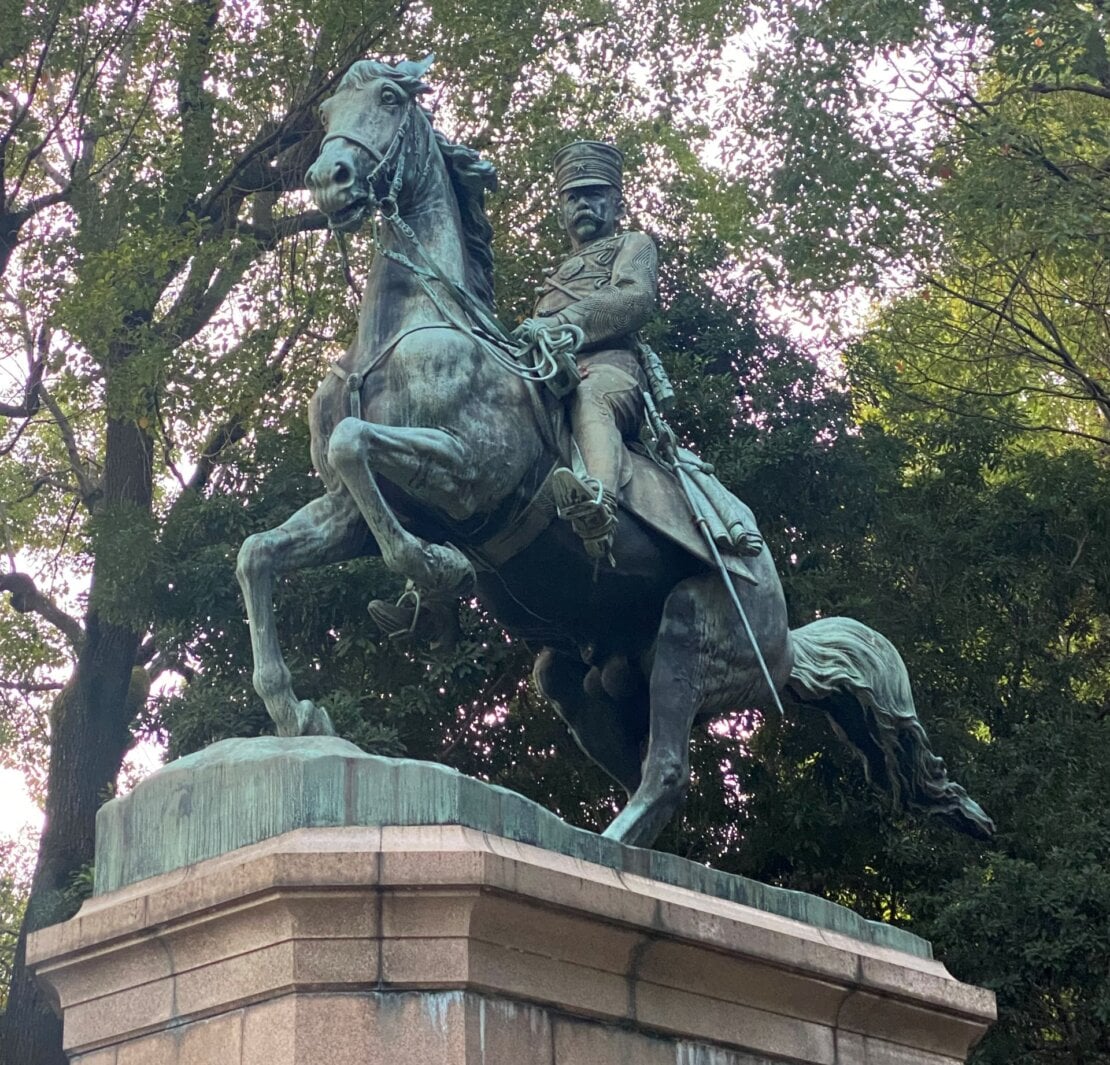
Can the year 1895 serve as the starting point for Taiwan's modern art history? In a new column, art historian Liu Qiyu takes up one of the most contentious questions in Taiwanese art historiography, prompted by the Tainan National Museum of Fine Arts planning office's proposal to frame its collecting, research and display around the period 1895 to 1960. The choice of 1895 — the year Japan took control of Taiwan — has drawn fire from parts of the art world, who argue that a political date makes a clumsy art-historical one. A common objection: most of Taiwan's senior artists had not yet been born in 1895, or were only just born. Liu approaches the dispute through two tests. First, did any artists actually arrive in Taiwan in 1895? The answer is yes — three Japanese artists came with the invading forces: Yamaguchi Tōru, a Confucian scholar and military chaplain who later became chief priest of the Taiwan Shrine; Takebe Chikurei, a painter of Noh figures who produced the first seal of the Government-General and later exhibited at the Taiwan Art Exhibition; and Shinkai Taketarō, a soldier-sculptor whose 1903 bronze of Prince Kitashirakawa still stands in Tokyo's Kitano-maru Park. Second, did 1895 generate art-historical subject matter? Here too the record is rich: wartime ukiyo-e news prints of the invasion, official oil paintings and historical pictures under colonial rule, and postwar reinterpretations such as Lin Yushan's Blue Ground Yellow Tiger Flag. Liu concludes that 1895 produced both arriving artists and a recurring artistic motif, giving it genuine art-historical weight — though the deeper question remains: which work, on what grounds, should inaugurate the modern period, the way Tokyo's National Museum of Modern Art opens with Kano Hōgai's Niō?