Exhibition preview·Turin
Artissima's Young-Artist Section Finds Tenderness Inside Industrial Materials
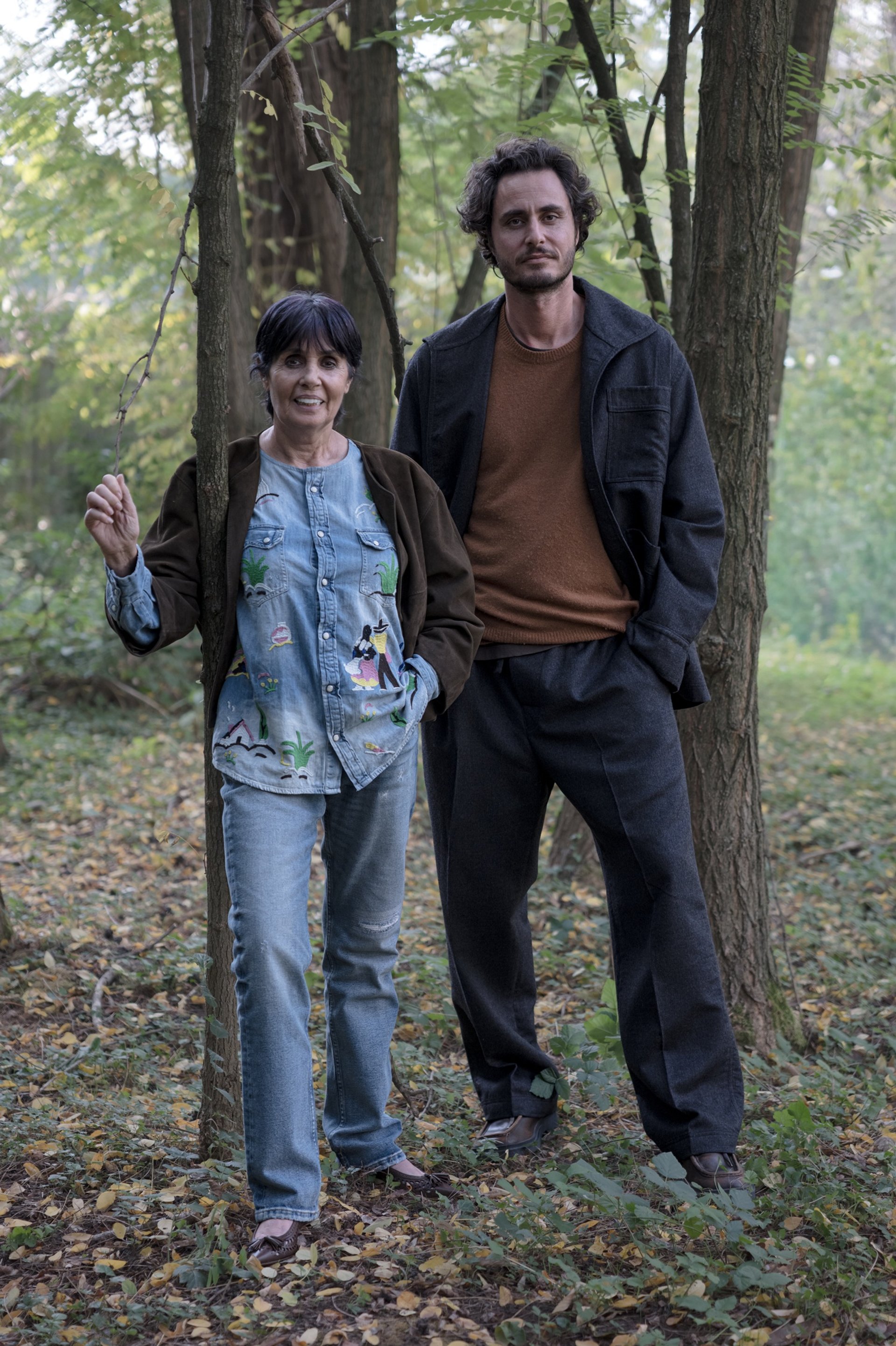
Curators Joel Valabrega and Léon Kruijswijk discuss Present Future, Artissima 2026's ten-solo-show section for promising artists, where labour, migration and fragile materials take centre stage over commercial spectacle.
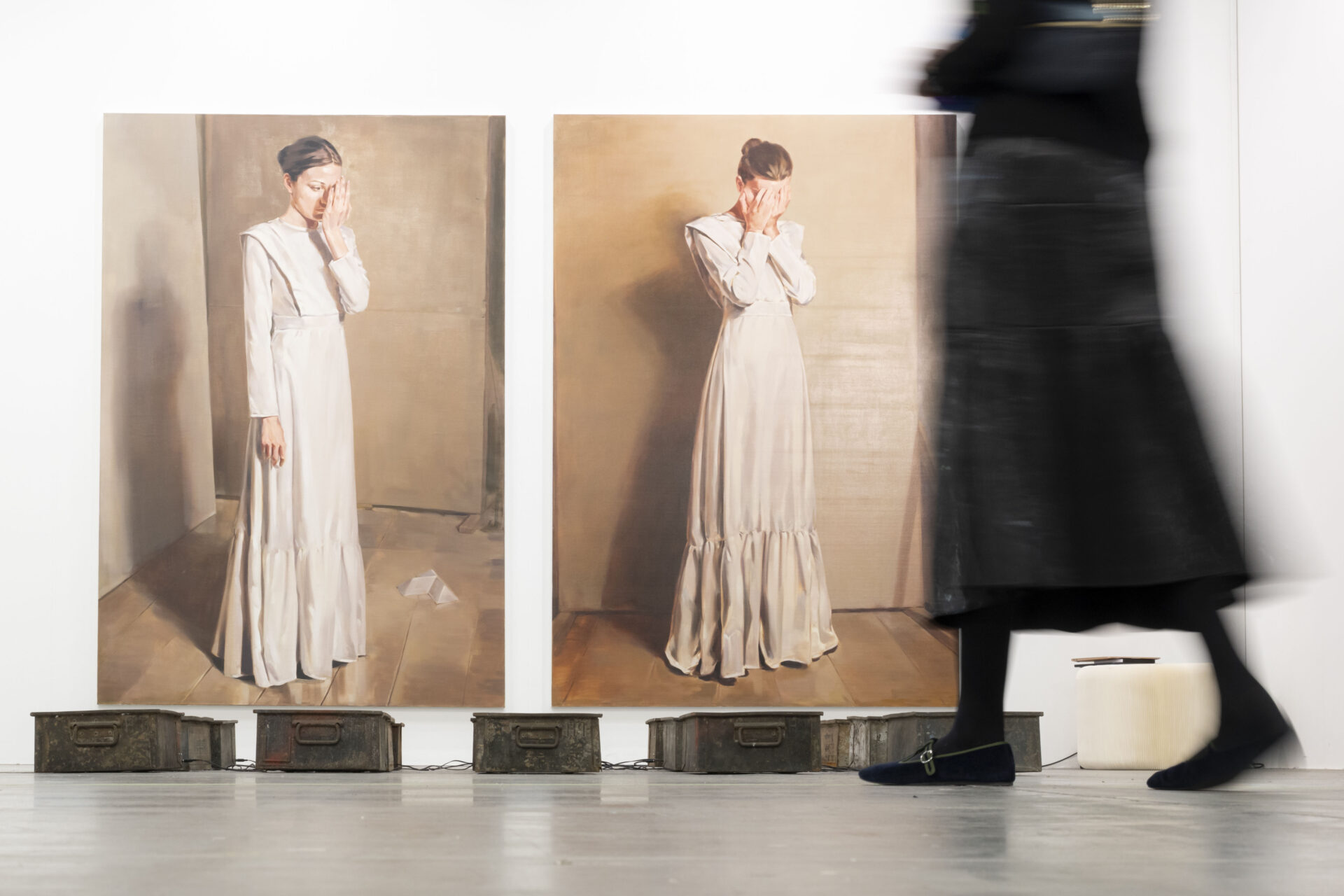
At Artissima 2026 in Turin, the fair's section for promising artistic practices took a deliberately quiet stance. Present Future, curated for a third straight year by Joel Valabrega and Léon Kruijswijk, gathered ten solo presentations centred on labour, human and technological. Rather than arranging the section as a row of sales booths, the curators approached it as a group exhibition, asking each artist to build a self-contained world around making, transformation and endurance.
The works on show moved between digital processes and traditional craft, and several of them blurred the line between the human and the non-human. Mary-Audrey Ramirez presented cyborg-like creatures that mix technological bodies with animals and familiar companions, while other artists turned to the histories stored in everyday materials. C. Mae Bloom drew on the textile work of her mother and grandmother, and Gamze Palabiyik, who also won one of the fair's acquisition prizes, reflected on her family's migration and factory work through a silk pillow pressed under the blade of a saw, holding softness and danger in a single gesture.
Juliana Frontin built an installation from flight cases, the containers used to move equipment before and after a performance, fitting individual speakers into them so different layers of a soundtrack emerged muffled or half-hidden. Hu Yun, meanwhile, connected intimate observation to larger systems of displacement and extraction, drawing on encounters with Nepalese migrant workers in Croatia and on plants able to survive in contaminated soil.
The curators said the section's international range was deliberate, with galleries from São Paulo, Kuala Lumpur and New York among those taking part. They also explained why they prefer the word promising to emerging, arguing that it leaves the idea of artistic potential open rather than tying it to an age limit. For all the anxiety running through the presentations, neither curator called the section pessimistic. As Kruijswijk put it, there is confidence in the work: despite everything, artists can still create, move forward and find poetry. In a fair defined by commerce, Present Future made its case for vulnerability and care as the most radical gestures of all.