Art world report·Taipei
ART TAIPEI 2026 names eight emerging artists for MIT showcase and four for Indigenous art zone
Taipei's ART TAIPEI 2026 has revealed the lineups for its two talent-focused sections: eight newcomers picked from 135 applicants for the 19th MIT recommendation zone, and four Indigenous artists for the seventh Indigenous art zone themed 'Flowers on the fault zone'.
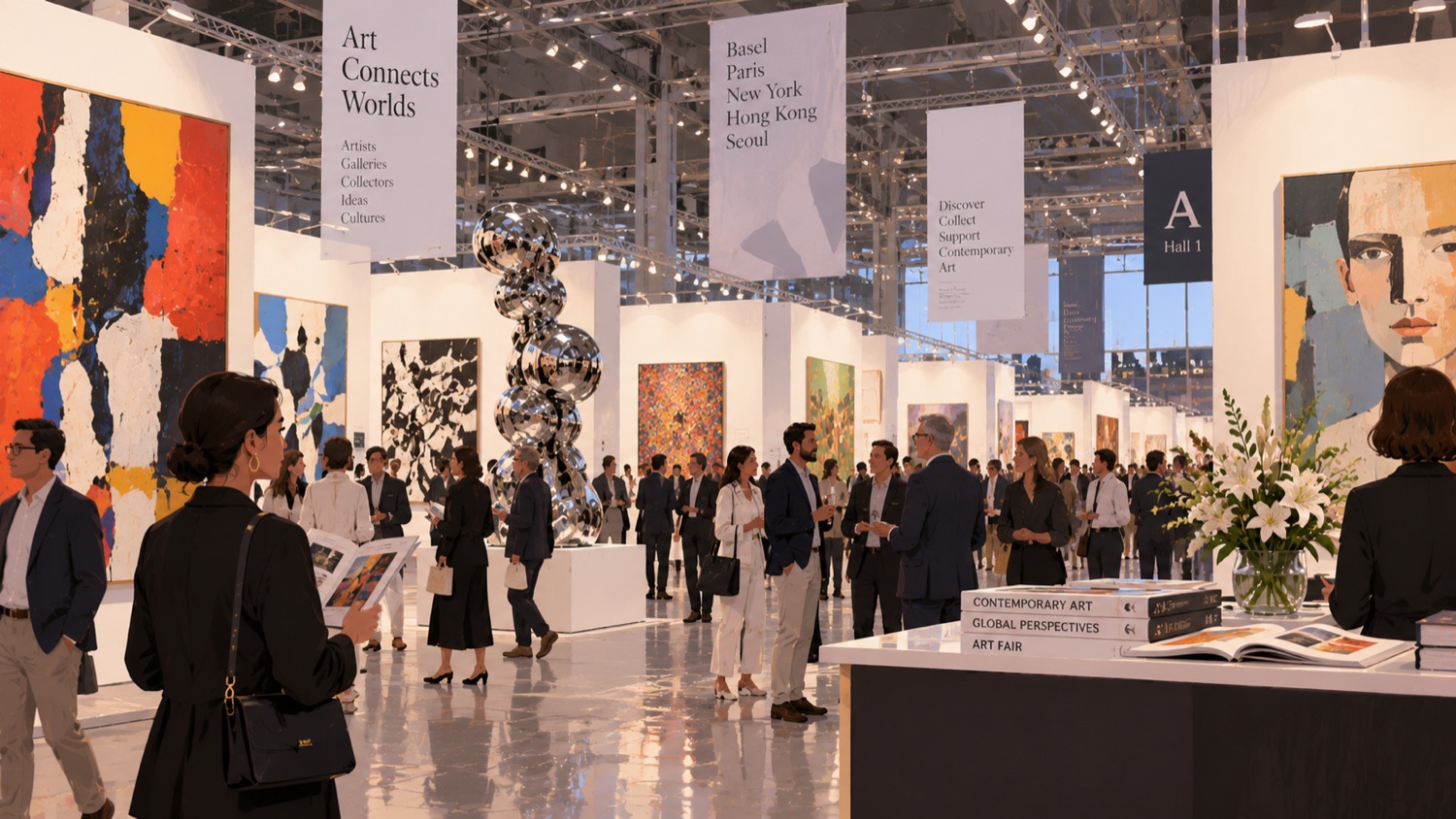
ART TAIPEI 2026 has unveiled the artist lineups for its two sections dedicated to new and Indigenous talent. Both will be on view when the fair runs from 30 October to 2 November at the Taipei World Trade Center. The 19th edition of the MIT (Made In Taiwan) newcomer recommendation zone selected eight artists from 135 applicants through a two-stage judging process: 何宇森, 李斐尼 (also known as 李芳妤), 高安柏, 徐均育, 張庭溦, 傅聖雅, 顏政豪 and 羅文欣. Each has been paired with a gallery — 耿畫廊, 尊彩藝術中心, 暮拉多元藝術空間, 多納藝術, 名山藝術, 阿波羅畫廊, 伊日藝術計劃 and 乙皮畫廊 respectively. This year MIT has appointed its first-ever convener, 鄭乃銘, with an explicit brief to look past the selection itself and ask what comes next: how the artists build careers, form lasting gallery relationships, and keep developing their material language after the spotlight moves on. The eight span sculpture, painting and mixed media: forest-sourced works by 高安柏, body-traced paintings by 顏政豪, bright sticker-and-charcoal images by 李斐尼, origami and heat-sensitive pieces by 傅聖雅, twin-form plant sculptures by 何宇森, cement landforms by 張庭溦, pulped-paper works by 羅文欣, and copper-wire figures of children by 徐均育. Alongside it, the seventh Indigenous art zone takes the theme 「斷層帶上的花朵」 (Flowers on the fault zone), curated by 徐文瑞. Four artists from different peoples take part: 伊誕.巴瓦瓦隆 (Paiwan), 安聖惠 (Rukai), 胡家瑜, also known as Ali Istanda (Bunun), and 段沐, also known as Tuan Mu (Siraya). Their work moves from land memory and cultural transmission to bodily perception and AI-generated imagery — 段沐 feeds his calligraphy practice into machine learning, 胡家瑜 draws on Hualien earthquake and flood legends, 安聖惠 traces a landscape erased by climate change, and 伊誕.巴瓦瓦隆 extends inherited craft vocabularies into new dotted patterns. The zone is organised in collaboration with the Asia Art Center to connect the artists with the market and professional networks. At the press conference, deputy culture minister 李靜慧 framed the programme's 18-year history as a coming of age, while gallery association chair 陳菁螢 argued that what newcomers need is not one-off exposure but sustained recommendation into collecting and international exchange networks.