Museum report·Global
Prado and Rijksmuseum Rewrite Art History Around 'Matronage'
The Museo Nacional del Prado and the Rijksmuseum have launched a joint research partnership on women in art and history, coining 'matronage' for the artistic influence of the 16th-century Habsburg women who governed the Netherlands for nearly 60 years — with a fellowship from 2027 and a 2029 exhibition in Amsterdam.
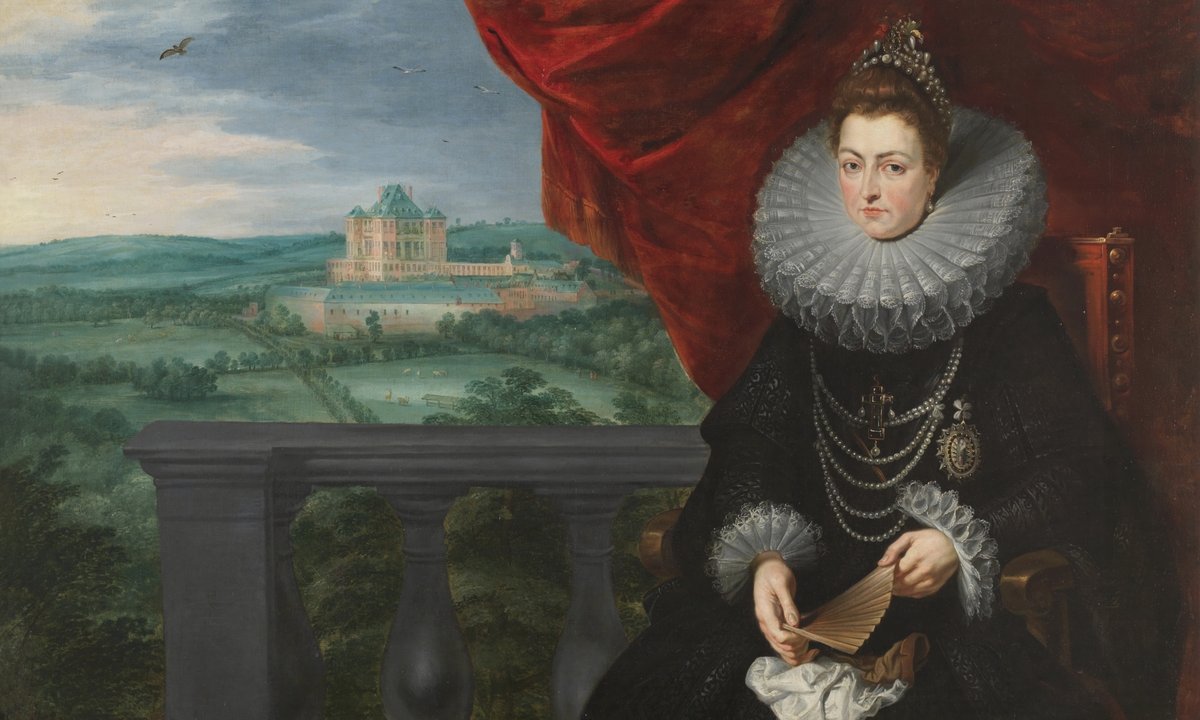
The Rijksmuseum in Amsterdam and the Museo Nacional del Prado in Madrid have announced an in-depth research partnership devoted to women in art and history, giving curators a new word for an old phenomenon: matronage, as opposed to patronage. The collaboration will investigate the forgotten influence of the ruling women of 16th-century Europe and their impact on the art of their time. At the heart of the project are three Habsburg regents — Margaret of Austria, Mary of Hungary and Margaret of Parma — who collectively governed the Netherlands for almost 60 years on behalf of Charles V and Philip II. Largely unknown to the general public today, these women were significant patrons and shapers of artistic culture, and their dealings with artists will be explored in a major exhibition at the Rijksmuseum in 2029. Mary of Hungary, governor of the Netherlands and queen of Hungary and Bohemia, is singled out by researchers as a particularly fascinating figure. The partnership also establishes an international fellowship programme for postdoctoral researchers, starting in September 2027 with recruitment beginning this month. The fellow will work across the collections and archives of both museums and contribute to the exhibition projects, alongside a series of expert meetings on the period's unprecedented concentration of female power. The project builds on work already underway at both institutions. The Prado's El Prado en Femenino has grown from a research project into a permanent, cross-departmental programme examining women as artists, patrons and historical figures, while the Rijksmuseum has been developing its own women-in-the-collection programme since 2021. As Marion Anker, co-chair of the Rijksmuseum's project, puts it, the shared Habsburg history of Spain and the Netherlands is 'full of powerful women' — and this partnership aims to make that power visible in the history of art.