Museum report·Luxembourg
Ana Vaz Brings Her 'Embodied Cinema' to Mudam in a First Major Museum Show
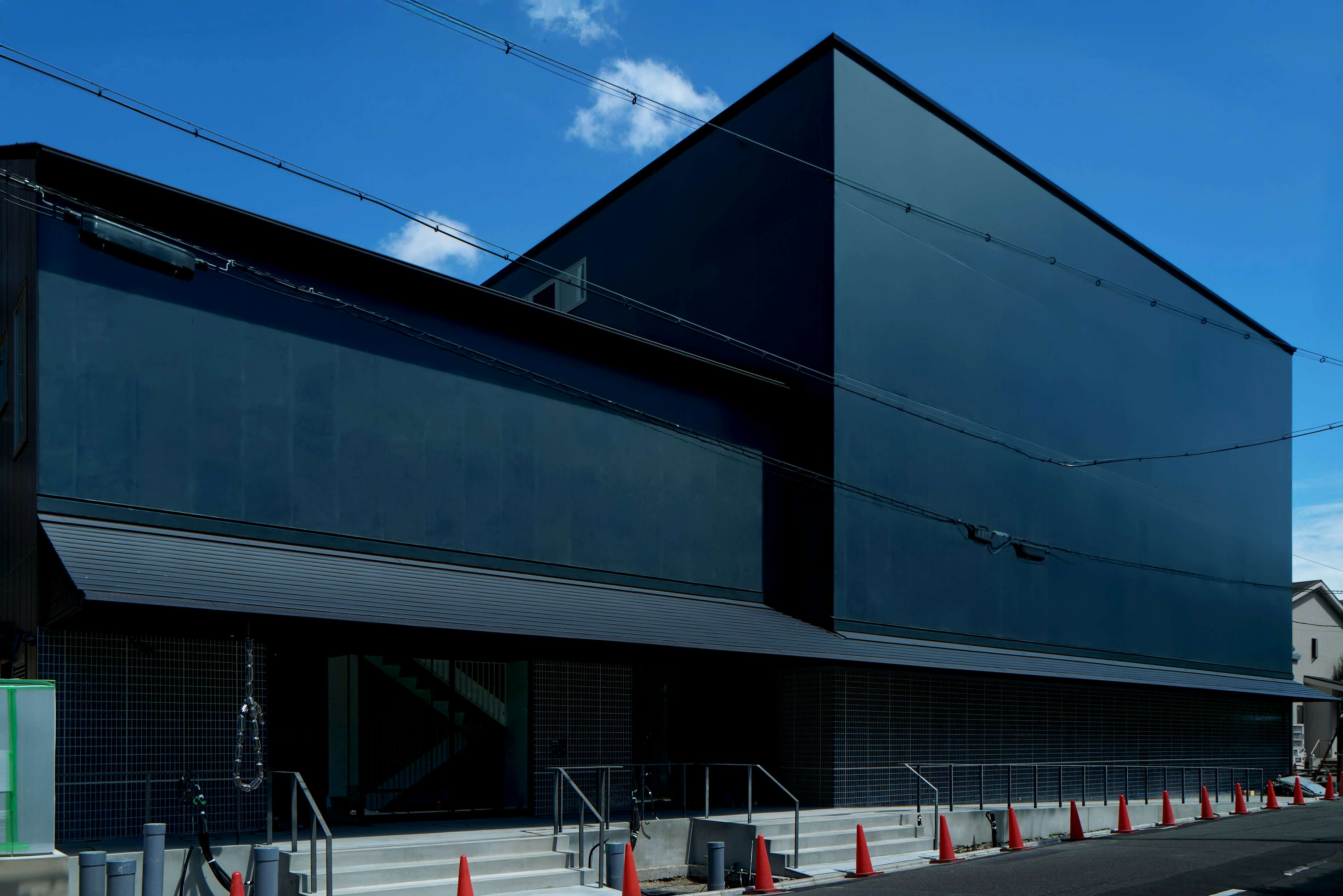
Mudam Luxembourg opens A câmera é o corpo (The Camera is the Body) on November 13, the first major museum exhibition devoted to Brazilian artist and filmmaker Ana Vaz, with films, installations and new productions running to May 2027.
Mudam Luxembourg will stage the first major museum exhibition devoted to Brazilian artist and filmmaker Ana Vaz, opening on November 13, 2026, and running through May 2, 2027. Titled A câmera é o corpo, or The Camera is the Body, it gathers films, installations and photographic works, including new productions, by an artist who has spent more than fifteen years working across cinema, visual art, anthropology, ecology and political thought. The opening reception takes place on November 12.
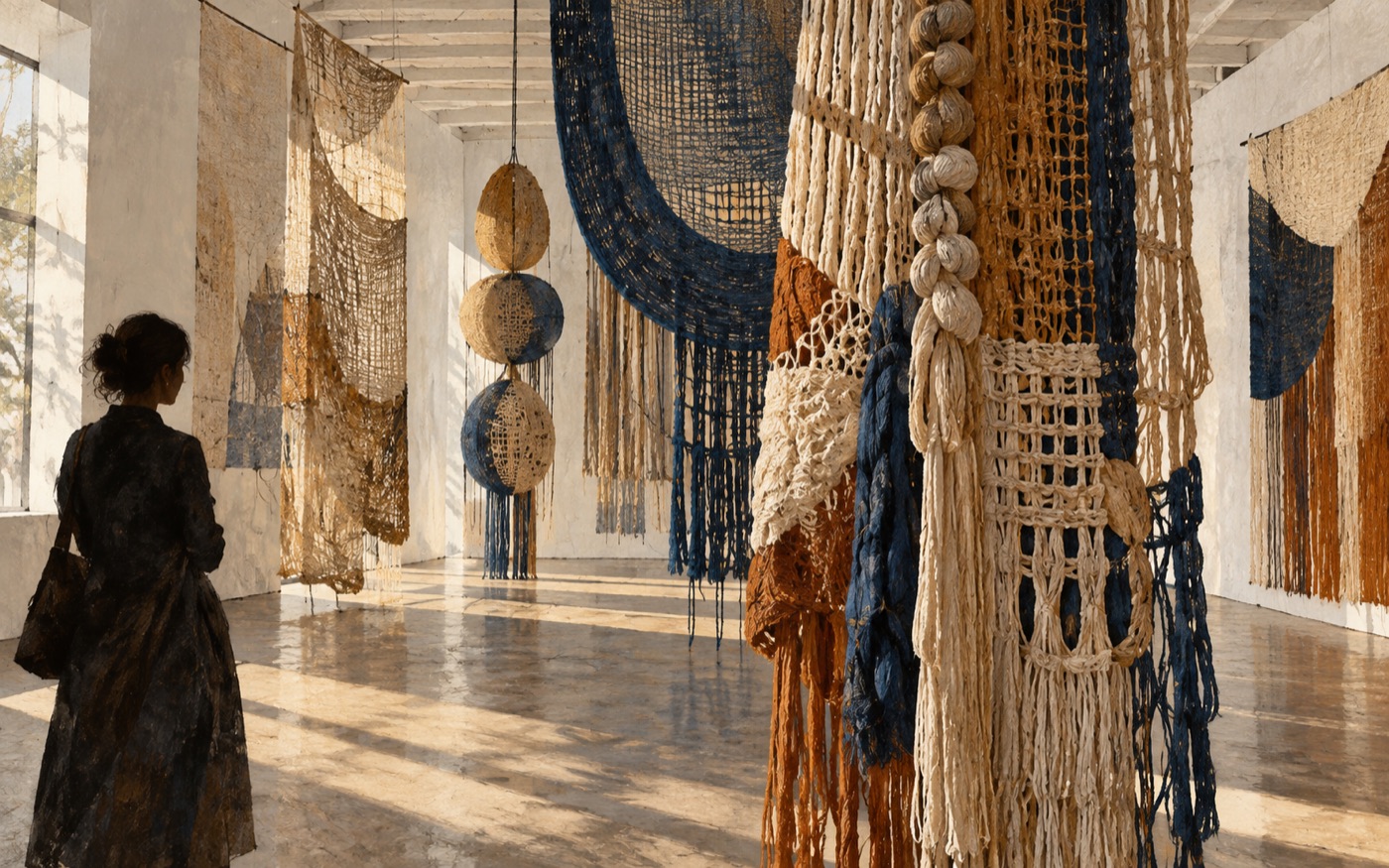
Vaz's work turns on the legacies of colonial modernity and environmental damage, and on the scars and silenced stories that live in the territories she films. Rather than treating the camera as an instrument of observation and control, she proposes a reciprocal way of paying attention, in which filmmaking becomes a practice of encounter. She calls this an embodied cinema, in which the body and its affects come before capture or extraction. At Mudam, the show unfolds inside a scenographic environment that makes the museum's architecture an active part of the experience.
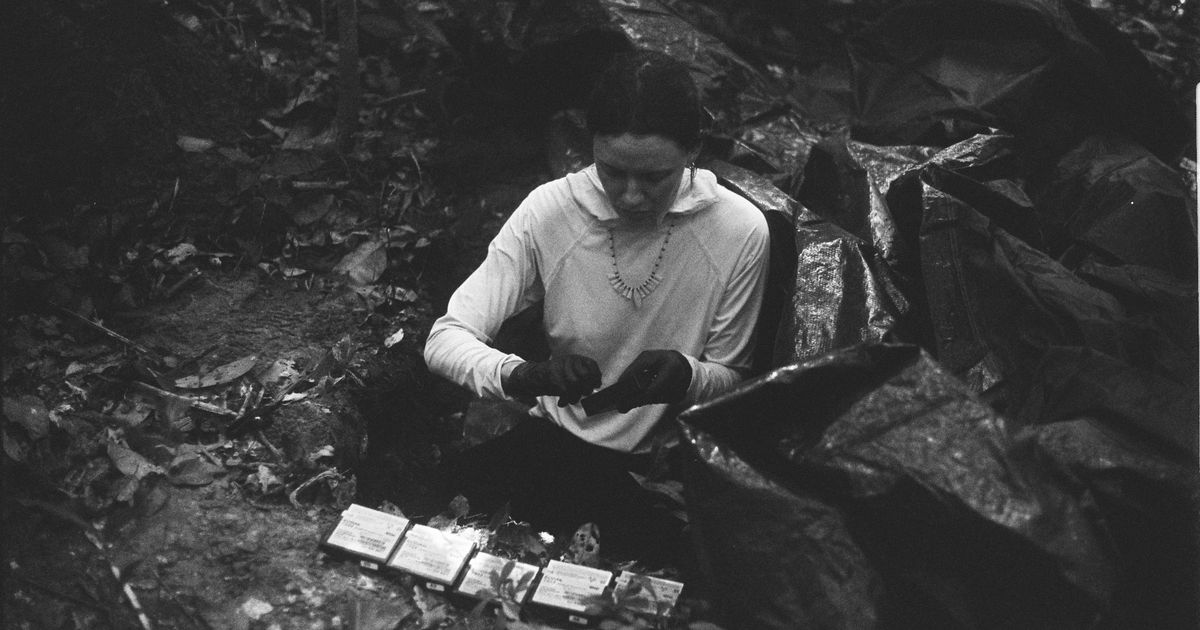
At the centre is an agora, a gathering space conceived with the São Paulo studio a.ferrari.arquitetura and curator Fernanda Brenner, to be activated by local collectives and longtime collaborators. A fanzine made with publisher Nuno da Luz will grow and change over the run of the exhibition. Featured works include the three-channel installation É Noite na América, filmed at the Brasília Zoo on expired 16mm film, alongside Apiyemiyekî? (2019) and Terra preta (2025), made by burying unexposed film in the fertile Amazonian soil of the same name.
Another gallery is devoted to the Meteoro film series (2023–26), including a new chapter portraying Paris, Porto and Rome as spectral cities haunted by their colonial pasts. A public programme of workshops, readings and performances extends the show, including a restaging of Sinfonia do fogo, a musical work by Vaz's father Guilherme Vaz, at the Philharmonie Luxembourg. The show also marks the publication of the first monograph on Vaz's work, edited by Brenner and published by Mudam with JRP|Editions, and is curated by Christophe Gallois, senior curator at Mudam.