Exhibition preview·Tel Aviv
82-Year-Old Photographer Alex Levac Gets First Major Museum Retrospective Days Before Israel Votes
Alex Levac: Black Box opens on 25 October 2026 at the Tel Aviv Museum of Art's Eyal Ofer Pavilion, gathering around 200 photographs from the 82-year-old Haaretz photographer's career, two days before Israel's legislative elections.
The Tel Aviv Museum of Art opens a retrospective of the photographer Alex Levac on 25 October 2026, two days before Israel holds legislative elections. Titled Black Box, the exhibition gathers roughly 200 photographs and marks the 82-year-old's first major museum show, a late institutional recognition for a career spent largely in photojournalism. The museum recently acquired more than 50 of his photographs for its permanent collection, and most of those works appear in the show.
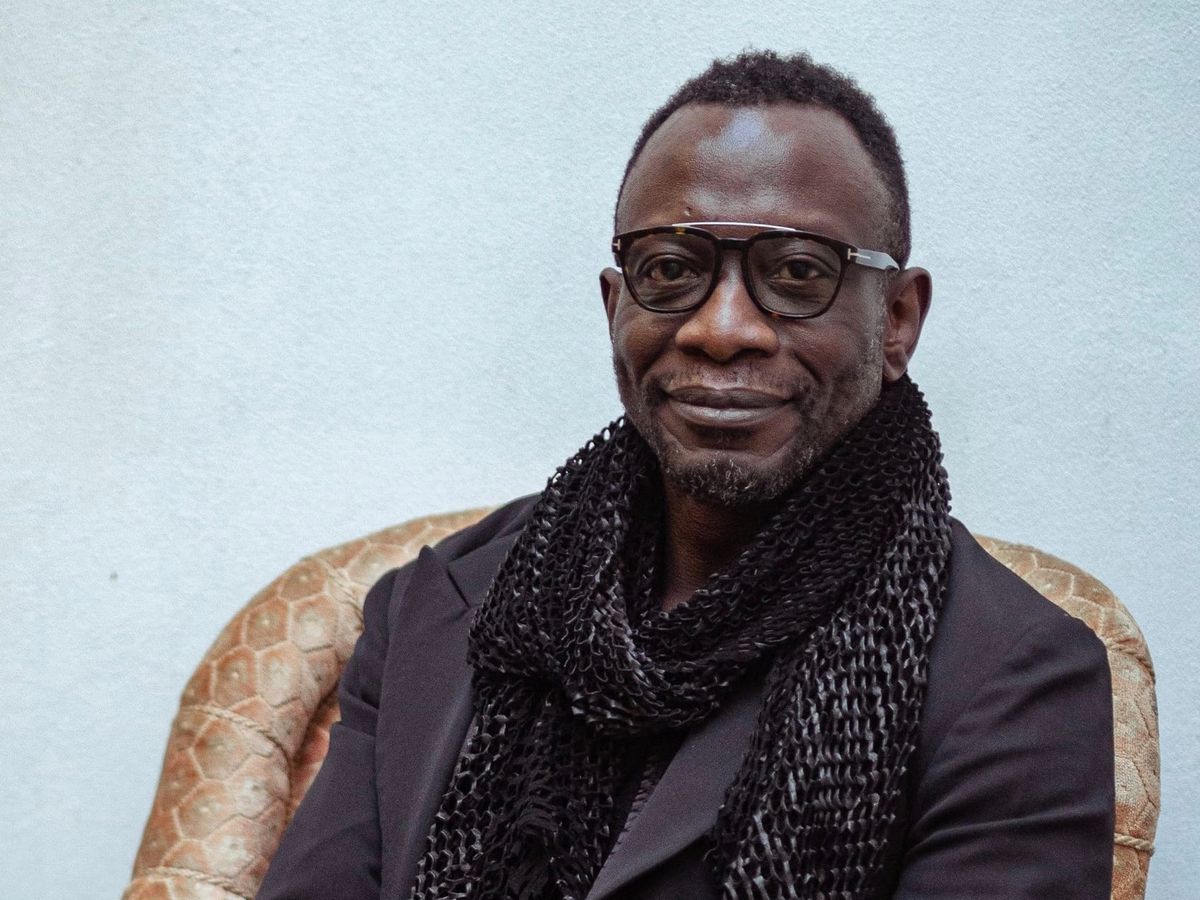
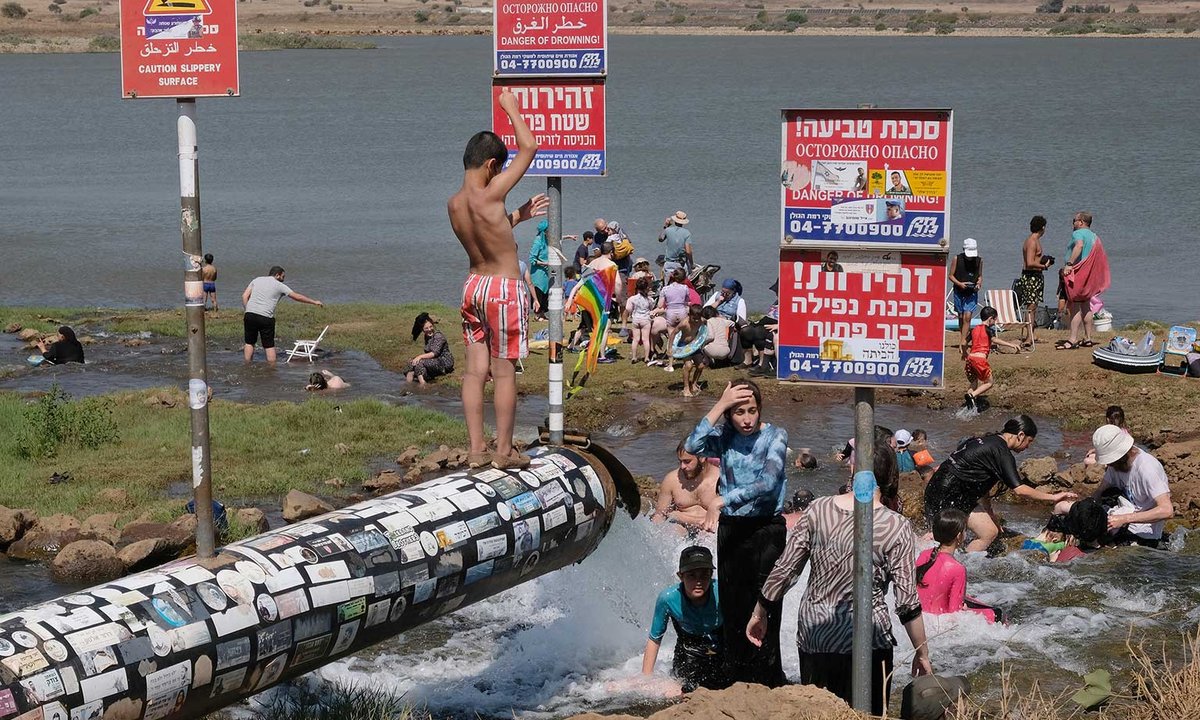
Levac studied philosophy and psychology before picking up a camera, spending time in England and Brazil early in his career, and has worked as a staff photographer for the newspaper Haaretz since 1993. For almost two decades he has also travelled with the journalist Gideon Levy to photograph a weekly column documenting daily life and hardship in the West Bank and Gaza. The exhibition moves from unpublished early pictures made abroad to his later colour work from 2010 onwards, plus a slideshow of his current weekly Haaretz photographs.
The core of the show covers prints made in Israel between 1984 and 2002, years that took in the first and second intifadas, the Oslo accords and the assassination of Yitzhak Rabin. Its best-known image is Kav 300, from 1984, made in his first year back in Israel after 14 years abroad. The photograph showed one of four men who hijacked a bus being taken into custody alive, contradicting an official account that he had died during the rescue. Levac has said the picture changed how he understood his own work, giving him a lasting sense of photography's power to establish what happened.
The timing and setting sharpen the show's charge. It hangs in the Eyal Ofer Pavilion, next to Habima Square, a focal point of weekly protests for four years, and Levac himself asked that his political photographs take centre stage. He now doubts whether photographs can change events, only expose and record them, yet he still carries a camera everywhere. The exhibition's co-curators describe that tension, between criticism, frustration and a stubborn optimism, as central to his practice. The show runs until June 2027.