Exhibition preview·Global
PHOTOINK Delhi resurrects the industrial photography of Ahmed Ali
A new exhibition at PHOTOINK in New Delhi, At Work (1948–1978), recovers the industrial photography of Ahmed Ali, who founded Universal Camera Arts in Calcutta in 1948 and kept shooting into his nineties. A STIR essay by artist Samar Jodha reads the images as a visual record of a new nation building itself.
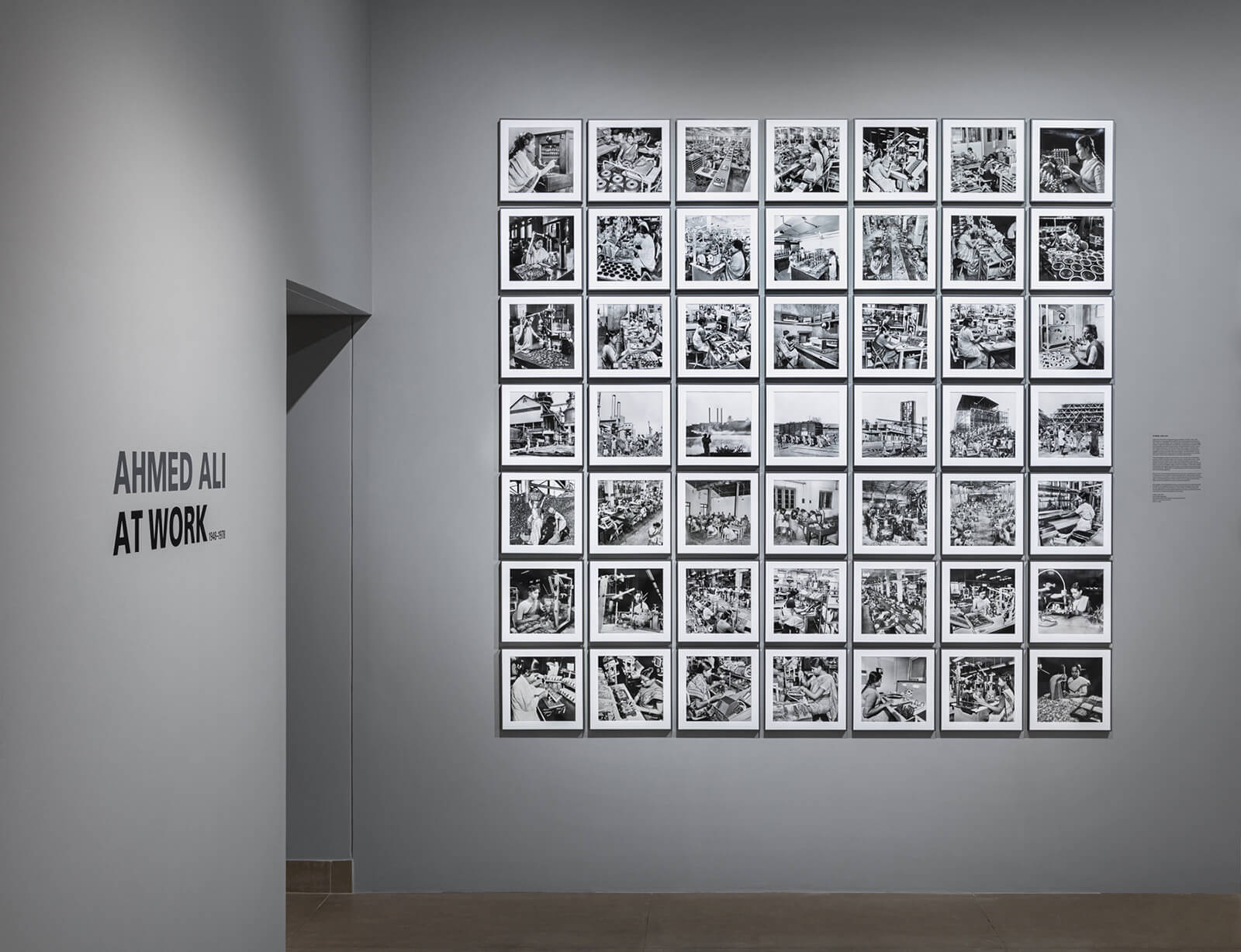
A new exhibition at PHOTOINK in New Delhi is recovering the industrial photography of Ahmed Ali, a Calcutta-based photographer who founded his studio, Universal Camera Arts, in 1948 and kept working into his nineties before his death in 2016. At Work (1948–1978) runs from September 5 to October 24, 2026, and draws on an archive that spent decades largely unseen as negatives. Ali is better known for his 1950s photographs of the Muria and Maria communities of the Bastar region, but the PHOTOINK show turns to his commissioned industrial work: factories, mines, airports and offices photographed for the companies building a newly independent India — among them the old British managing houses Andrew Yule, Bird and Company and Macneill and Barry, still running Bengal's mines and mills after 1947. Writing in STIR, transdisciplinary artist Samar Jodha reads the images as a record of what a new country thought it was becoming. He notes that Ali carried a studio photographer's discipline — composition, light, perspective — into the clutter of the plant floor in the pre-digital era, and that he photographed workers as they stood, better lit but unstaged, rather than striking the heroic poses of Soviet state imagery. The show also includes Assembly, a set of 96 group portraits made in a single Calcutta factory in 1952. The exhibition rests on years of archival labour: PHOTOINK has worked through more than a hundred thousand of Ali's negatives, printing silver gelatin prints from them again. In a country where the state never built its own industrial picture-making on the scale of the Soviet Union, Jodha argues, private studios like Ali's did the visual work of modernity — and their recovery rewrites the photographic history of post-independence India.