Art world report·London
Aesthetica on Why Frieze Week Is Bigger Than a Fair
Aesthetica published an essay by Anna Müller on 3 October 2026 examining how Frieze Week has grown from a commercial fair into a city-wide cultural season, citing the UK's £145.8bn creative industries, the fair's nearly 300 galleries from 48 countries, and the tensions between commerce and curatorial meaning ahead of Frieze London and Frieze Masters at Regent's Park on 14–18 October.
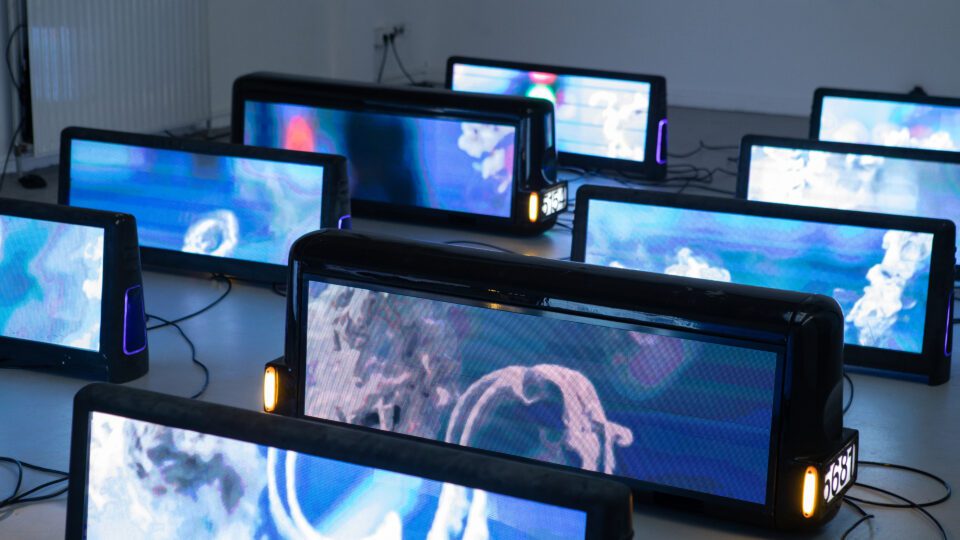
An essay published by Aesthetica magazine on 3 October 2026 examines how Frieze Week has grown from a commercial fair into a city-wide cultural season. Writing for the magazine, Anna Müller argues that the fair's significance lies less in the booths at Regent's Park than in the network of exhibitions, openings and institutional activity that concentrates around it each October. This year's Frieze London and Frieze Masters run from 14 to 18 October. The piece sets the fair against the scale of Britain's creative sector, citing 2024 figures that put its gross value added at £145.8 billion, or 5.5 per cent of the national economy. The sector grew 4.6 per cent between 2023 and 2024 against 1 per cent for the wider economy, and expanded 60.3 per cent in real terms since 2010. The essay also notes Time Out's 2026 survey of 24,000 residents across more than 150 cities, which ranked London first for culture, with 99 per cent of London respondents approving of the capital's arts and culture scene. The essay records the fair's scale — nearly 300 galleries from 48 countries and regions across the two fairs, with 172 from 42 countries at Frieze London and nearly 140 from 30 countries at Frieze Masters — and describes how commercial galleries time their openings around the visitor influx while museums, hotels and restaurants support the arriving collectors, artists, curators and critics. Curatorial programmes including Reflections (Abby Bangser), The Code Universe (Carol Yinghua Lu) and Spotlight (Devika Singh and Sofia Gotti) are presented as frameworks through which the fair negotiates questions of cultural history and value alongside market activity. The essay also dwells on the tension between the fair's commercial structure, driven by concentration, speed and visibility, and curatorial work, which depends on context, research and sustained attention. Its international reach, the author suggests, can widen which artists and histories become visible while leaving intact the economic structures that decide who is shown. London, the essay concludes, is not made a cultural capital by the fair; the fair briefly makes the city's existing cultural networks visible to a global audience.