Exhibition preview·Global
Gwangju's ACT Festival Closes After Asking What Stays Human When Machines Talk Back
The 11th ACT Festival in Gwangju has closed after three weeks of art and technology, with 29 teams from 10 countries exploring glitches, artificial intelligence and the idea of a technology-dominated age.
The National Asian Culture Center has brought its 11th ACT Festival to a close after running from 23 October to 8 November. Staged under the heading I, Human: Responding to the Technecene, the festival gathered 29 participating teams and artists from 10 countries to examine what remains distinctively human in an era shaped by technology.
The festival's title turns on a word coined for the occasion. Technecene joins the Greek word for craft or technique with the suffix used for geological eras, describing a time in which technology has become the dominant force shaping the world. Its programme was organised around the idea of the glitch, split into two strands covering faults of the mind and faults of the body, asking how breakdowns in systems can reveal something about the people using them.
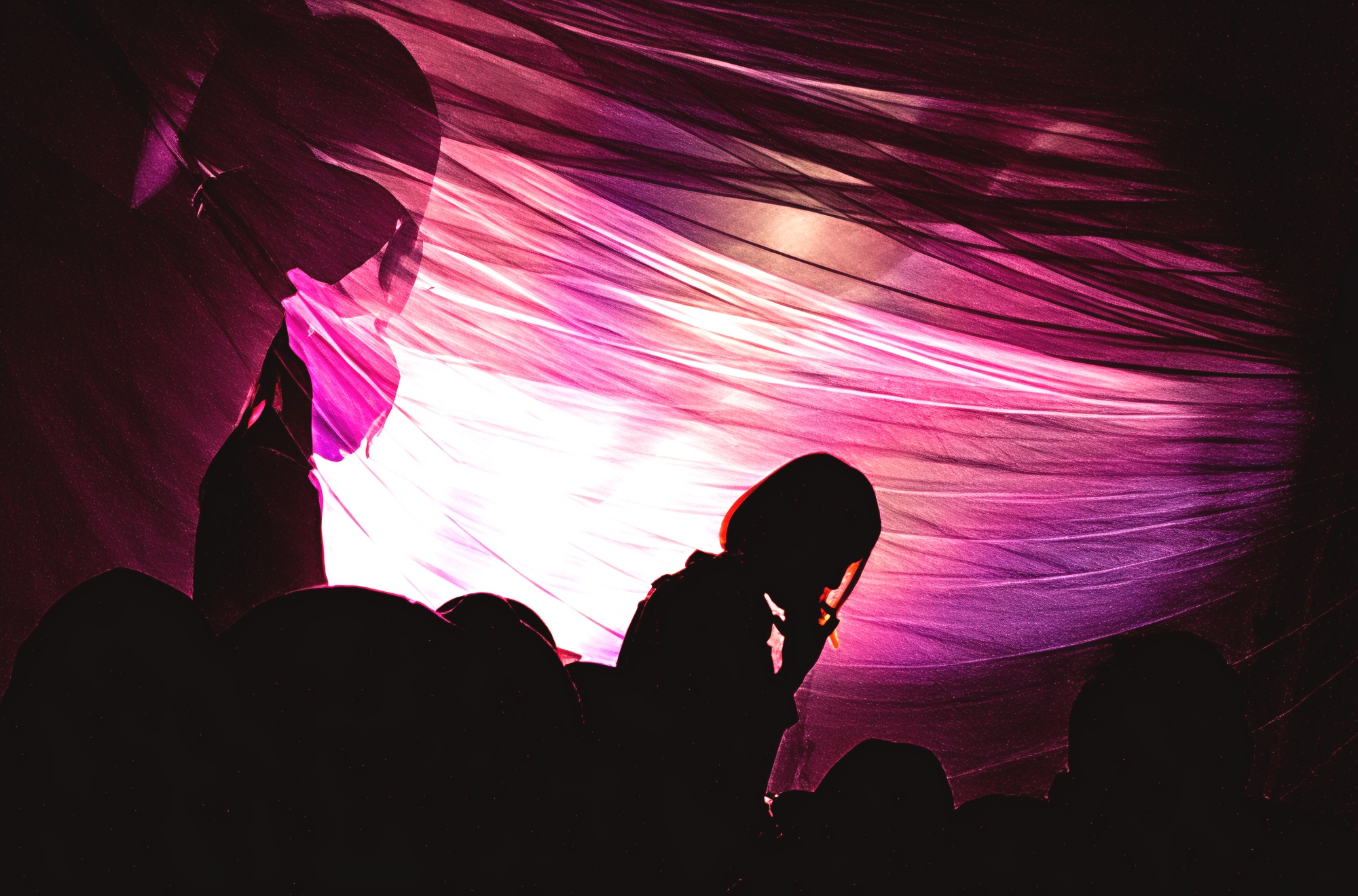
One of the most discussed presentations was a video work by German artist Anne Imhof, shown in Korea for the first time. The 32-minute piece leaves a single human figure sharply visible against a background that dissolves into abstract colour and light. Imhof, who won the Golden Lion at the 2017 Venice Biennale, had her first solo show in Asia earlier this year in Hong Kong.
Elsewhere, Wu Tien-chang presented a video that at first looks machine-made but is built from old-fashioned stagecraft, while Jinah Roh showed a new work in which an artificially intelligent machine chats with visitors like a friend, sometimes producing confident but invented answers. A robot work based on Nam June Paik's 1964 original offered a contrast: where the older machine revealed itself through clumsy movement, today's machines speak so smoothly that their flaws are harder to spot. Fifteen media facade pieces will continue to be screened daily until 31 December.